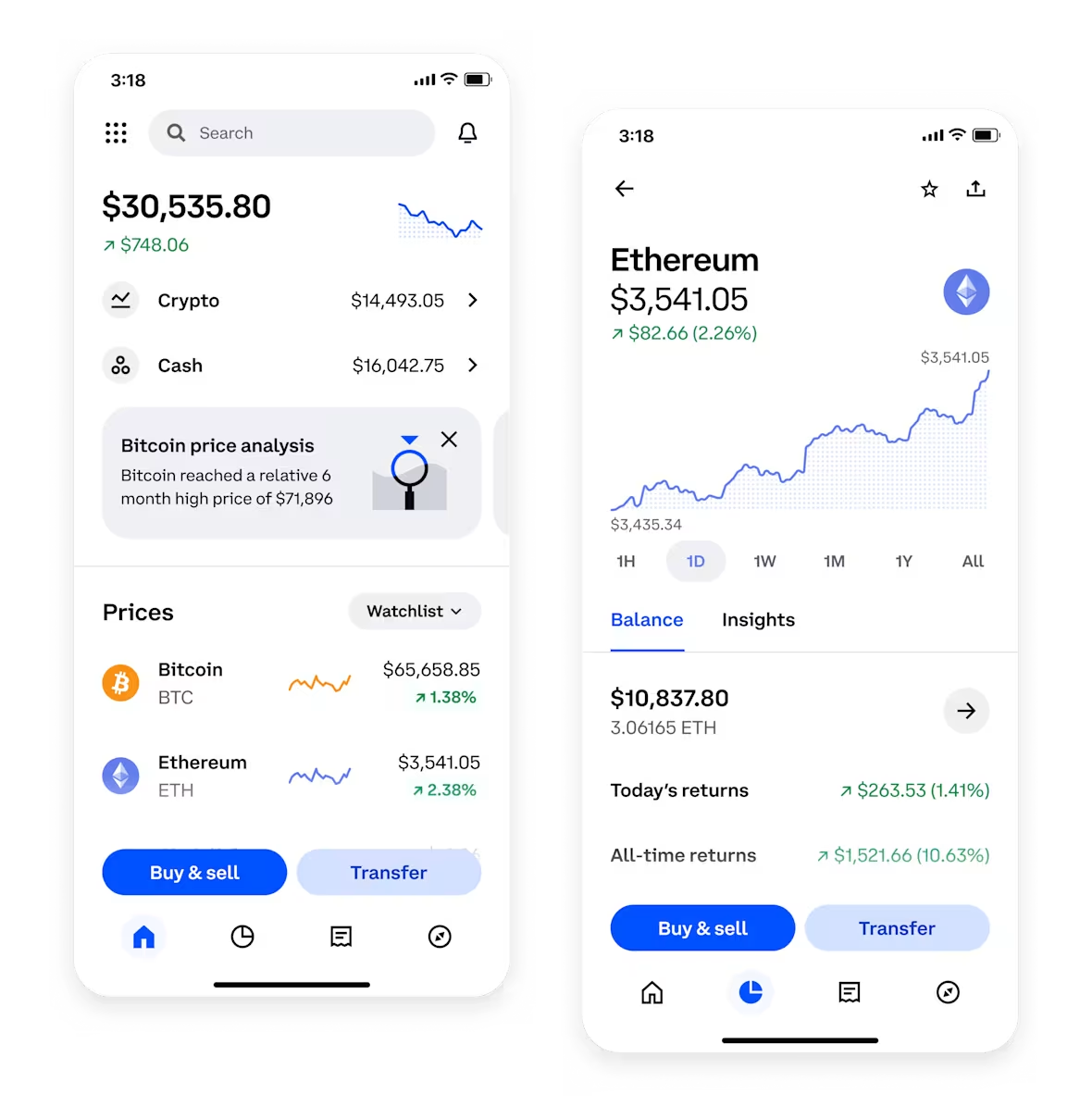

Many users encounter a frustrating message when trying to trade: "Why can't the USDC exchange sell?" This common issue highlights important aspects of cryptocurrency markets and exchange operations. Understanding the reasons behind selling restrictions can help users navigate these challenges effectively.
One primary reason for inability to sell USDC is exchange-imposed trading halts during periods of extreme volatility. When market conditions become unstable, platforms may temporarily suspend trading to prevent panic selling, protect users from significant losses, and maintain orderly markets. These pauses, while inconvenient, serve as risk management measures that stabilize the broader ecosystem.
Technical issues represent another frequent cause. Blockchain network congestion, wallet maintenance, or exchange platform upgrades can temporarily disable withdrawal and trading functions. Since USDC transactions require blockchain confirmations, any network slowdown affects exchange capabilities. Users should check exchange status pages and blockchain explorers during such events.
Regulatory compliance requirements also impact selling capabilities. Exchanges must verify user identities through Know Your Customer (KYC) procedures. Accounts with incomplete verification, suspicious activity flags, or regional restrictions may face limited functionality. Ensuring your account is fully verified and compliant with local regulations resolves most access issues.
Liquidity shortages present another obstacle. Although USDC is a stablecoin pegged to the U.S. dollar, specific trading pairs may lack sufficient market depth. If an exchange doesn't have enough buyers for your USDC sell order at a given moment, transactions may fail. Using limit orders or switching to more liquid pairs like USDC/USDT often solves this problem.
Smart contract interactions can sometimes cause unexpected restrictions. If you've authorized a decentralized application to spend your USDC, those permissions might interfere with exchange transactions. Reviewing and resetting token allowances through platforms like Etherscan restores full control over your assets.
To avoid selling difficulties, users should diversify across multiple reputable exchanges, maintain updated account verification, monitor network status before large transactions, and understand specific platform rules regarding stablecoin trading. Most selling restrictions are temporary and resolvable through customer support channels.
The inability to sell USDC typically reflects protective measures rather than permanent limitations. By recognizing these mechanisms—from volatility controls to compliance checks—users can better prepare for smooth cryptocurrency transactions while appreciating the security frameworks that make digital asset trading possible.